By: Chhavi Dhingra, Public Engagement Senior Manager, WSB

Part 2 of our series, Digital Accessibility in Practice: Moving Beyond Compliance, explores how accessibility works best when addressed in an upstream manner.

Document remediation using built-in accessibility checkers or more advanced tools such as CommonLook plays a key role in identifying issues and supporting quality control, particularly for legacy content. However, experience and broader trends indicate that accessibility is most effective when it is addressed from the outset. Accessibility should be viewed as a fundamental requirement in the creation and design process of digital content.

When accessibility considerations are integrated directly into native files the need for downstream remediation is significantly reduced. Native files include Word documents, PowerPoint presentations, and Excel spreadsheets.

Moving beyond compliance means adopting consistent and recommended approaches at the point of content creation, including:

  • Adding proper document titles and author information to its properties
  • Using proper heading styles to establish a clear and logical structure
  • Writing alternative text that conveys purpose and context, not just appearance
  • Using descriptive link text instead of generic phrases or long/complex URLs (Uniform Resource Locators)
  • Designing tables with simple layouts and clearly defined headers
  • Introducing acronyms by spelling them out at least once
  • Ensure meaning is not conveyed by color alone and is supported by text or symbols
  • Maintaining sufficient contrast between text and background colors
  • Confirming that content can be navigated using a keyboard
  • Using plain, concise language wherever possible
  • Using the ‘Check for Accessibility’ feature and manually checking reading order of documents

These practices by no means restrict creativity. In fact, they improve clarity, reduce ambiguity, and result in content that works more consistently across formats and platforms.

From Compliance to Capability

Digital accessibility becomes sustainable when it is treated as part of everyday work rather than a specialized or corrective task. This shift requires awareness, shared responsibility, and a willingness to revisit long-standing practices. Importantly, digital accessibility is not about achieving perfection; it is about intention, consistency, and continuous improvement.

Organizations that invest in accessibility as a practice often realize broader benefits, including clearer communication, stronger documentation, improved usability, and more consistent user experiences. Compliance may be one outcome, but the greater value lies in creating digital content that more people can reliably access and use.

At WSB, we are continuing to strengthen our accessibility practices by collaborating with partners and clients to integrate accessibility. Whether into document creation, remediation, or web content. As this continues to evolve, we look forward to sharing additional insights and lessons learned from applying accessibility in practice.


Follow along our new series, Digital Accessibility in Practice: Moving Beyond Compliance as we explore practical steps to make digital spaces truly inclusive. Part 1 is available here.

Portrait of Chhavi Dhingra

Chhavi Dhingra is the Public Engagement Senior Manager at WSB. With nearly two decades of experience as transportation engineer and public engagement professional. She leads her team in developing sustainable policies, practices, and communication strategies. With a focus on addressing accessibility needs of disadvantaged communities, Dhingra has lead engagement with multistakeholder partnerships and worldwide transportation projects.

917.328.3588

Part 1 of the Digital Accessibility in Practice: Moving Beyond Compliance series features everyday practice to bridge the gap between compliance and accessibility.

Digital accessibility refers to the practice of designing digital content that can be accessed and used by people with a wide range of abilities. Digital content includes documents, websites, tools, and media. Those who rely on assistive technologies such as screen readers, keyboard navigation, captions, or voice recognition software need this accessibility. At its core, accessibility ensures that information is perceivable, understandable, and usable by as many people as possible.

The more one works with digital accessibility, it becomes clear that it is a thoughtful, nuanced, and continually evolving discipline. Shaping how information is created, structured, and shared. Embedding accessibility in how we communicate through digital media requires shifting focus. From meeting minimum standards to considering accessibility from the very beginning.

While tools such as Word, PowerPoint, Excel, and PDF software include robust accessibility features, they often go unutilized. Especially because those features are largely and rarely part of standard content-creation habits and are therefore easy to overlook.

Designing for Sighted Users Is Not Designing for Everyone

Several commonly used design choices often prioritize users who can visually interpret content and navigate with a mouse. Design choices include icons or emojis, color-coding information, splitting or merging tables. Moreover, enhanced layouts with complex graphics without a description in the body of text. What is less frequently considered is how this same content is experienced by someone using a screen reader, navigating exclusively by keyboard, or accessing content with low vision, color blindness, cognitive disabilities, or limited motor control.

Content that appears polished and visually engaging can still present significant challenges depending on how it is structured and navigated. Design choices that rely heavily on visual cues or mouse-based interaction may limit access for users who rely on assistive technologies. Common examples include:

• Images, charts, or icons without meaningful alternative (alt) text

• Headings that are visually styled but lack a logical structural hierarchy

• Tables that use merged or split cells, disrupting reading order

• Information conveyed through color alone, without supporting text or symbols

• Forms or interactive elements that cannot be completed using a keyboard alone

For individuals using screen readers, keyboard navigation, or other assistive tools, these factors directly influence whether content is understandable and usable.

Common structural and interaction barriers 

Beyond individual design elements, digital accessibility challenges also arise from how content is written, organized, presented and programmed. Frequently observed issues across digital platforms include:

• Dense language, long sentences, and unexplained technical or institutional jargon

• Poor color contrast affecting users with low vision or color blindness

• Inconsistent or illogical use of heading levels, disrupting navigation

• Improperly tagged graphics or diagrams created in design tools

• Lack of visible focus indicators to show where a user is on a page

• Tasks or time-based interactions that do not allow sufficient flexibility or adjustment

At WSB, our work to address accessibility for digital communications is already underway. We are supporting our partners and clients through document accessibility reviews, remediation, and guidance on building accessibility into everyday document and web content creation.


Follow along our new series, Digital Accessibility in Practice: Moving Beyond Compliance as we explore practical steps to make digital spaces truly inclusive. Part 2 of this series will focus on practical ways organizations can address these challenges by embedding accessibility into everyday content creation and workflows.

Portrait of Chhavi Dhingra

Chhavi Dhingra serves as Public Engagement Senior Manager at WSB, where Dhingra leads strategic initiatives that drive innovation and operational excellence across public engagement. With extensive experience, she excels in developing sustainable policies, practices, and communication strategies, and has a proven track record in leading stakeholder management for transportation and transit projects. Chhavi has contributed to numerous road transportation planning projects worldwide, focusing on engagement, multi-stakeholder partnerships, and strategic communications to address the mobility and accessibility needs of disadvantaged communities.

917.328.3588

By Shelly Woodall, Sr Right of Way Specialist, WSB

City infrastructure projects, whether building new roads, expanding utilities, or creating public spaces, are complex undertakings. They require more than engineering and construction expertise; they demand strategic land management and strong community relationships. This is where Right of Way (ROW) agents step in as essential partners for municipalities.

ROW agents ensure that projects move forward smoothly, on time, and within budget by managing the critical processes that connect city plans to private property realities. Below, we explore the comprehensive services ROW agents provide and why they are indispensable for successful city projects.


Relationship Development with Landowners

Every project begins with trust. ROW agents build and maintain positive relationships with property owners, fostering open communication and addressing concerns early. This proactive approach minimizes conflict and sets the stage for cooperative solutions.

Permitting

Permitting can be a maze of local, state, and federal requirements. ROW agents navigate this complexity, securing timely approvals and ensuring compliance so projects stay on schedule.

Land Acquisition

Acquiring property rights is often the linchpin of a project. ROW agents manage the entire acquisition process, from initial outreach to closing, ensuring fair transactions and adherence to all regulations.

Title Work

A clear title is non-negotiable. ROW agents coordinate title searches, resolve encumbrances, and prepare documentation to protect the city’s investment and avoid legal complications.

Appraisals

Fair compensation starts with accurate valuation. ROW agents work with certified appraisers to deliver defensible property valuations that meet legal and ethical standards.

Land Surveys

Precision matters. ROW agents coordinate land surveys to establish boundaries and identify potential issues before construction begins, preventing costly surprises later.

Negotiations

Negotiation is both an art and a science. ROW agents bring experience and tact to secure agreements that balance project needs with property owner rights, reducing delays and disputes.

Eminent Domain

When voluntary acquisition isn’t possible, ROW agents guide municipalities through the eminent domain process, ensuring compliance with the Uniform Act and state laws while maintaining transparency and fairness.

Relocation Assistance

Displacement can be disruptive. ROW agents provide relocation assistance to residents and businesses, offering guidance and resources to ease transitions and minimize hardship.


Partner with WSB for Comprehensive ROW Solutions

At WSB, we understand that right of way services are more than transactions, they’re about building trust and delivering results. Our team of experienced ROW agents offers all these services, backed by deep regulatory knowledge and a commitment to collaboration. Whether your city is planning a roadway expansion, utility project, or trail development, WSB is here to help you navigate every step of the process with confidence.

Ready to move your project forward? Connect with WSB today and discover how our ROW expertise can turn challenges into opportunities for your community.

June 4, 2025

By: Allison Whitsitt, Planning Manager, WSB

When severe weather strikes, taking swift and informed action is crucial to ensure safety and minimize storm risks. Being prepared and knowing how to respond effectively can make a significant difference.

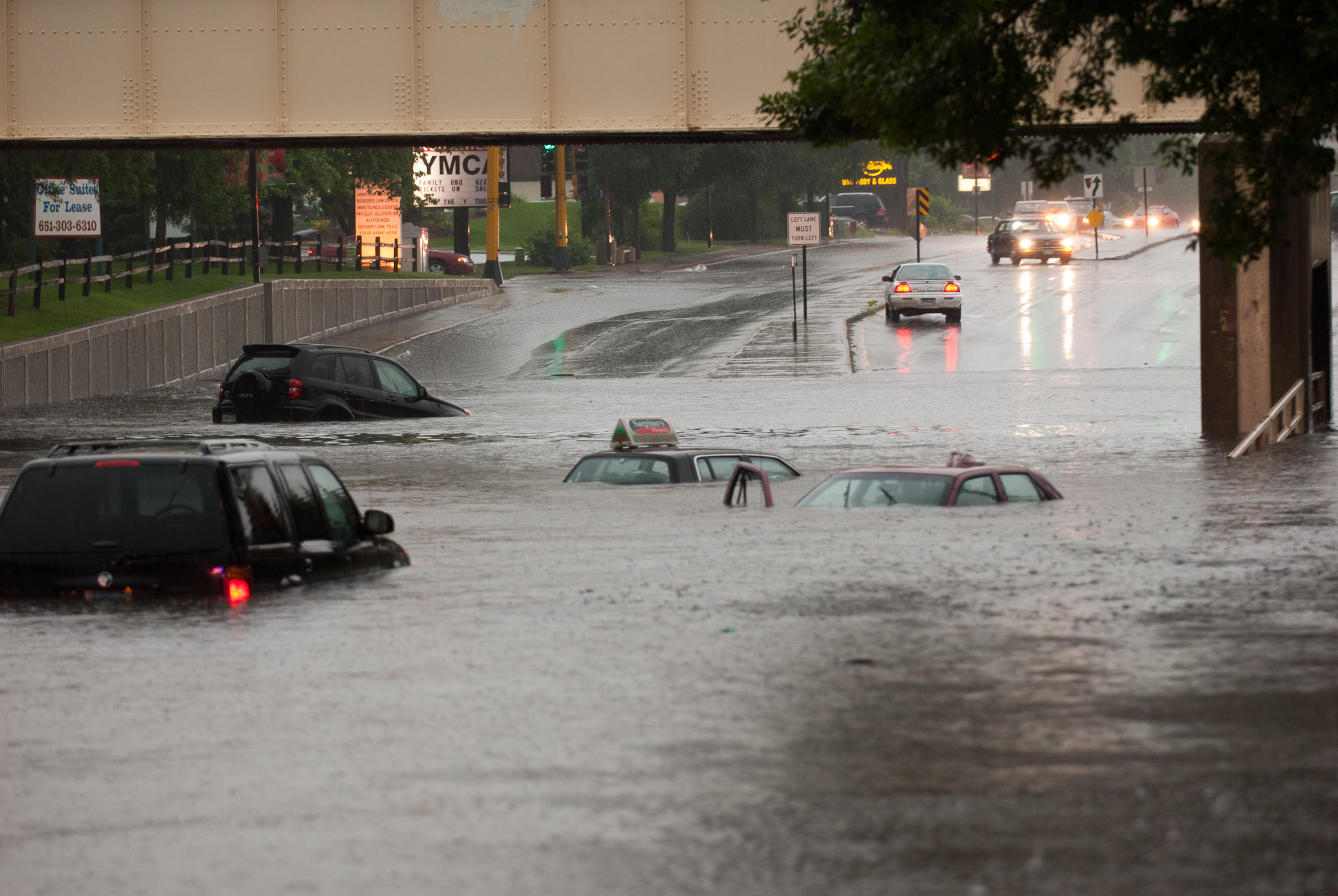
Stay Indoors & Seek Shelter: During severe weather, it’s essential to follow your preparedness plan by sheltering in a designated safe space, such as a basement or an interior room without windows. If you’re in a public location, avoid large open rooms like gymnasiums and seek shelter away from windows and glass doors. For those caught outdoors, do not attempt to drive, especially in dangerous weather like tornadoes or flash floods. Instead, find sturdy shelter to reduce storm risks. Stay away from overpasses, trees, or other unsecured structures that could pose a risk. If no shelter is available, lie flat in a low-lying area while covering your head and neck.

Stay Alert & Informed: Staying informed during severe weather is critical to managing storm risks. Keep a charged cell phone and a backup battery handy. This ensures you can receive updates and stay connected. Invest in a NOAA Weather Radio to receive real-time emergency broadcasts, even if cellular networks fail. While social media and local emergency management pages can provide valuable updates, they should not be your sole source of information. This is due to the potential for misinformation or network outages. Ensure notifications for weather alerts are enabled on your phone to stay updated on warnings and advisories in your area.

Avoid Complacency: Severe weather often brings multiple alerts over time, leading to what’s commonly known as “weather fatigue.” This constant barrage of warnings can cause people to ignore subsequent alerts, assuming the danger has passed. However, severe weather patterns are unpredictable and can change rapidly, making it crucial to treat each warning seriously to mitigate storm risks. Always listen to official directives, even if the situation seems stable, as conditions can escalate without warning.

Aftermath & Recovery Resources: The aftermath of severe weather can be challenging and require time and effort to recover. Local Emergency Managers are often the first to provide assistance, helping with debris removal, temporary relief efforts, and damage reporting to state and federal agencies. Understanding storm risks is important because immediate assistance might not be available for up to 72 hours. This is because response teams mobilize resources. To facilitate quicker recovery, document all damage by taking photos and videos of your property before discarding any damaged items. These records, along with receipts for repairs or replacements, can be invaluable for insurance claims or applications for disaster assistance.

Beyond personal recovery, building community resilience is a vital part of preparedness. When individuals and families have a plan, and encourage others to develop their own, the entire community benefits. A resilient community can respond more effectively to crises, reduce storm risks, and recover more quickly. Preparedness extends beyond individual safety—it strengthens the bonds within neighborhoods and fosters a collective effort to face and overcome challenges together.

WSB Support for Communities: At WSB, we are dedicated to supporting communities not just in the aftermath of severe weather but also in preparation for it. We work to raise awareness about potential storm risks, provide resources to strengthen preparedness efforts, and assist in recovery. This helps individuals and neighborhoods rebuild stronger and safer. Together, we can create a culture of readiness and resilience, ensuring that no one faces these challenges alone.

Allison Whitsitt

Allison Whitsitt
Planning Manager, WSB

918.728.5617

June 3, 2025

By: Rick Johnson, Vice President of Operations, WSB & Brandon Claborn, Vice President, Environmental, WSB

Oklahoma is a land of resilience, progress, and opportunity—values that align perfectly with WSB’s vision for the future. As a national firm with a deep local presence, we are here not just to work on projects. Instead, we aim to actively shape the landscape of infrastructure and innovation in the state, especially with WSB Oklahoma.

Our journey into Oklahoma was intentional and strategic. Through the acquisition of key firms deeply rooted in the local market, we have been able to integrate their expertise, relationships, and community-driven insights into our broader national vision. This wasn’t simply an expansion—it was an investment in people, in progress, and in the infrastructure that fuels growth managed by WSB Oklahoma.

With nearly 200 dedicated professionals now serving Oklahoma, our multidisciplinary approach ensures we can meet the diverse needs of communities. Whether in government, commercial, or energy markets, we bring together expertise in engineering, environmental, planning, and construction. We deliver comprehensive solutions tailored to the challenges and opportunities unique to the region at WSB Oklahoma.

Infrastructure is more than roads and bridges—it is the backbone of thriving communities. At WSB, we recognize that resilient transportation networks, sustainable water management systems, stormwater & floodplain studies, and forward-thinking design are essential to long-term prosperity. We don’t just build; we innovate. Our commitment to cutting-edge technology is transforming how projects are delivered, and it improves efficiency, sustainability, and impact as facilitated by WSB Oklahoma.

Collaboration is at the core of our approach. We partner with state and local governments, businesses, and community leaders to build a future that is both sustainable and vibrant. Whether expanding a roadway, enhancing water systems, mitigating flood risk, or developing smart city initiatives, we remain focused on delivering solutions that matter. Contributions from WSB Oklahoma play a vital role in these efforts.

Oklahoma’s infrastructure needs continue to grow, and WSB is prepared to meet those demands. Our expansion in the state reflects our belief in its potential—both in available talent and in the opportunity to create meaningful advancements. While the brands EST, Meshek & Associates, and Craig & Keithline are now integrated into WSB, the technical excellence and deep expertise of our team remain unchanged. What has evolved is the access to a broader bench of talent and resources at WSB Oklahoma, which reinforces our ability to support infrastructure needs at every level.

As we look ahead, our commitment to Oklahoma and all the regions we serve remains unwavering. We are not just building infrastructure; we are building the future. By combining local knowledge with national expertise, we create lasting impact and foster growth. We are reimagining how infrastructure is delivered, spearheaded by WSB Oklahoma.

Together, we are building what’s next in infrastructure.

Rick is the Vice President of Operations at WSB, bringing over 21 years of experience in the transportation industry across both public and private sectors. While he primarily leads operations in the Oklahoma region, Rick also plays a key role in enhancing project management and delivery practices across the organization. He is known for guiding multi-disciplinary technical teams and driving operational excellence throughout all WSB regions.

405.343.8936
Portrait of Brandon Claborn

Brandon is Vice President, Environmental at WSB, bringing over 25 years of experience as an engineer and leader in water resources. He began his career developing basin-wide hydrology and hydraulic models to support city-wide master drainage plans and flood mitigation projects. His expertise also includes managing stormwater quality through erosion control, stream restoration, and municipal separate storm sewer systems (MS4). Over the past decade, Brandon has focused on leading engineering teams and overseeing multiple departments, providing mentorship to emerging leaders while playing a key role in managing complex, multi-disciplinary projects that demand both technical excellence and strategic vision.

918.698.6699

April 11, 2025
By Shawn Poe, Director of Municipal Services, WSB and Amy Fredregill, Senior Director of Sustainability, WSB

As we recognize Earth Month this April, it is imperative to emphasize sustainable and resilient practices in infrastructure projects. A comprehensive Sustainability Plan is most strategic, relevant and useful when it considers future capital projects planned within a community.

Introducing the Envision® Framework

One effective practice to incorporate is the Envision® framework — a holistic sustainability rating system designed to evaluate the resilience of various types of civil infrastructure.

Envision® serves as a tool for cities, consultants, and contractors, helping to deliver infrastructure that:

Utilizing the Envision® framework allows infrastructure projects to contribute positively to the environment by enhancing sustainability and resilience. This framework helps improve the quality of life for communities by addressing climate change, supporting public health, providing long-term economic benefits, and improving infrastructure longevity.

How WSB Can Help

The WSB team includes certified Envision Sustainability Professionals (ENV SP) who can support communities in integrating Envision® into their sustainability and resiliency plans, as well as transportation, transit, and other infrastructure projects. We offer comprehensive services including project assessment, strategy development, and implementation guidance to help municipalities align infrastructure projects with community goals. Our expertise ensures that sustainable, resilient, and equitable outcomes are achieved.

Shawn is the Director of Municipal Services at our Denver office, with nearly 30 years of experience in Colorado and Texas, he has served as a City Engineer and Director of Public Works. Shawn excels in relationship building, team leadership, and client service. He is also active in professional circles, having served as President of the APWA Texas Chapter and currently on the board of the APWA Colorado Chapter. At WSB, he focuses on expanding services to municipalities and fostering strong public agency relationships.

[email protected] | 214.773.6767

Portrait of Shawn Poe

Amy has nearly 25 years of experience in the public, private, and non-profit sectors, focusing on sustainability and resiliency. She has worked extensively in energy and agriculture, providing strategic solutions for complex challenges in energy, water, and waste. Amy has held key roles, including Managing Director of the Sustainable Growth Coalition at Environmental Initiative and Manager of Resource Planning at Xcel Energy. Currently, she works on climate and sustainability projects across various states, leveraging her relationship-based approach to deliver comprehensive solutions.

[email protected] | 612.965.1489

April 14, 2025
By Allison Whittsitt, Planning Manager, WSB

In today’s world, cities must be prepared to address a wide range of emergencies and disasters that affect citizens, businesses, and critical infrastructure. This preparation begins with comprehensive emergency management and disaster planning. Comprehensive solutions help cities effectively plan, respond, and recover from emergencies. This approach includes risk assessment and mitigation strategies, response protocols, and recovery plans.

Benefits of Planning

The benefits of emergency management and disaster planning include improved coordination among response teams, enhanced public safety, and reduced economic losses. Effective plans mitigate long-term impacts and ensure quicker recovery. Without proper planning, cities face chaotic responses, increased casualties, and prolonged recovery times, resulting in unnecessary economic losses and vulnerabilities.

Developing emergency management and disaster plans is crucial for cities for several reasons:

  • It ensures the safety and well-being of residents by providing clear guidelines and procedures during emergencies. These plans enhance the resilience of cities, making them better equipped to handle and recover from disasters.
  • Having a structured plan fosters trust and confidence among citizens, who can feel assured their city is prepared for any eventuality.
  • Well-developed plans can attract businesses and investors by demonstrating a city’s commitment to stability and security.
  • Cities that implement comprehensive planning are often eligible for various grants and funding opportunities that are not otherwise accessible, which can further strengthen their emergency preparedness efforts.

The benefits of emergency management and disaster planning services include:

  • Improved coordination among response teams
  • Enhanced public safety
  • Reduced economic losses
  • Proper planning mitigates long-term impacts, ensuring quicker recovery
  • These plans improve residents’ safety, increase city resilience, and foster trust
  • Well-developed plans attract businesses and investors and make cities eligible for various grants, strengthening preparedness

How it Works

There are four pillars of emergency management – preparedness, response, recovery, and mitigation. Tackling each with a systematic approach and seamlessly combining the outcomes creates a more resilient community.

  • Starting with hazard mitigation planning, risk assessments identify potential threats unique to each city, from natural disasters to human-made incidents. A FEMA-approved hazard mitigation plan opens doors for funding to support all phases of emergency management.
  • Emergency management includes expertise in disaster deployment, public assistance, hazard mitigation, damage assessments, and debris management. Local and state experience, a certified meteorologist, and support from engineers and GIS professionals enhance planning and grant application efforts, identifying vulnerabilities and reducing risk.
  • Securing grant funding as a direct result of their hazard mitigation plan strengthens local resilience and reduces repetitive loss. Additionally, aiding in the implementation of the Community Rating System (CRS) encourages communities to implement floodplain management practices that will lower insurance rates by up to 45% and ensure enhanced flood preparedness.
  • Working with city officials to establish response protocols during natural hazard events ensures that all stakeholders are prepared to act swiftly in the event of a disaster.
  • Emergency action plans for dams and levees foster faster, more organized responses that minimize harm.
  • Exercises conducted help municipalities, private businesses, schools, and other entities evaluate their emergency operations plans through realistic scenarios, revealing weaknesses in plans and improving capability gaps and equipment readiness.

Grant Funding to Support Planning and Preparation

To support cities in their emergency management efforts, numerous grants are available. These funds help implement preparedness initiatives, purchase equipment, and train personnel. Engaging with experienced services helps cities apply for and manage these grants, ensuring compliance and effective fund use.

Conclusion

Emergency management and disaster planning expertise helps cities build resilience and ensure the safety of their residents. City officials and stakeholders are invited to learn more about how services can be tailored to meet the unique needs of their urban environments. Together, a safer, more resilient future can be created for cities.Allison Whittsitt has served as the Northeast Regional Coordinator for the Oklahoma Department of Emergency Management and Homeland Security. As WSB’s Planning and Grants Department Manager, she oversees projects including Hazard Mitigation Plan updates, new and existing Emergency Operations Plans, and application/submission of state and federal grants along with various other work.

Allison Whitsitt

Allison Whittsitt has served as the Northeast Regional Coordinator for the Oklahoma Department of Emergency Management and Homeland Security. As WSB’s Planning and Grants Department Manager, she oversees projects including Hazard Mitigation Plan updates, new and existing Emergency Operations Plans, and application/submission of state and federal grants along with various other work.

918.728.5617

By moving beyond outdated tools, we can foster more meaningful connections, better demonstrate our capabilities, and evolve with the needs of our clients.

October 3, 2024
By Val Brennan, Director of Marketing, WSB

Published by Zweig in the September issue of The Zweig Letter. TZL 1552 (web) (flippingbook.com)

In the dynamic realm of the architecture, engineering, and construction industry, marketing strategies are pivotal for securing client trust and business sustainability. However, traditional methods such as the one-pager are rapidly losing their effectiveness. The one pager, once a staple in marketing toolkits, now represents an outdated approach that can potentially limit a firm’s market perception and success.

The service-first conundrum. For decades, one-pagers have been the go-to marketing material, typically leading with a detailed list of services. This method, while straightforward, inherently restricts a firm’s narrative to a narrow scope. Clients, especially in the AEC sector, look for partners, not just service providers. When we lead with services, we risk being pigeonholed, recognized only for specific capabilities rather than as a comprehensive solution provider. This not only diminishes our appeal but also caps our potential engagements.

A crutch for the sales-averse. Sales is an art, particularly in technical fields where the nuances of services are complex and varied. The reliance on one-pagers has inadvertently become a security blanket for those uncomfortable with direct selling. This trend is counterproductive. While a one-pager can neatly summarize a service, it cannot replace the human element crucial in sales – empathy, adaptability, and the ability to engage. By over-relying on these documents, we prevent our staff from fully developing these essential skills, ultimately impacting our firm’s ability to connect and resonate with potential clients.

Misaligned meeting approaches. The most strategic error with one-pagers is their tendency to dictate the flow of client meetings. Successful client interactions are not about inundating prospects with prepackaged information but about listening – understanding their challenges and tailoring our dialogue to address these issues. A one-pager encourages a monologue when the need of the hour is a dialogue. It is imperative that we shift our approach to one that prioritizes listening, thus fostering a more consultative and client-centric relationship.

A strategic shift in approach. Transitioning from the one-pager mentality involves a strategic overhaul. We start by setting clear goals and identifying our target audiences. From there, we develop key messages that resonate deeply with these groups. Only then do we select the appropriate tactics. This comprehensive strategy allows us to utilize the full spectrum of marketing and sales tools at our disposal, effectively moving our clients and prospects to action. By adopting this holistic approach, we ensure that all communications are purpose-driven and tailored, maximizing impact and engagement.

Let the one-pager die. The death of the one-pager is not an end but a beginning – an opportunity to innovate our approach to marketing and client engagement in the AEC industry. By moving beyond these outdated tools, we can foster more meaningful connections, demonstrate our full spectrum of capabilities, and, most importantly, evolve alongside the needs of our clients.

“For decades, one-pagers have been the go-to marketing material, typically leading with a detailed list of services. This method, while straightforward, inherently restricts a firm’s narrative to a narrow scope. Clients, especially in the AEC sector, look for partners, not just service providers.”

In the era of holistic service and partnership, listening and personalized engagement are the keys to unlocking true business potential.

Portrait of Val Brennan

Val, Director of Marketing at WSB, brings over 15 years of experience in shaping and executing comprehensive marketing and communications strategies. Her expertise lies in her ability to develop strategic plans that resonate across the company. Renowned for her authentic and user-centric approach, Val collaborates effectively with clients to elevate brand experiences and boost service performance. She consistently sets benchmarks in strategic communications, with a meticulous attention to detail that ensures every initiative connects deeply with its intended audience.

612.916.1002

October 15, 2024
By Jim Stremel, Sr Professional Engineer, WSB

In today’s rapidly evolving world, the pressure on public infrastructure to meet the increasing demands of population growth, environmental changes, and technology has never been greater. As we navigate these challenges, the role of professional engineers in the public sector has become indispensable. These engineers are at the forefront of designing, constructing, and maintaining the essential systems and structures that serve our communities, from roads and bridges to water treatment facilities and sewer collections systems.

Employing a professional engineer for modernizing infrastructure seems like a logical requirement, but few people understand how licensure is related to the profession. Similar to how doctors view the Hippocratic oath, professional engineers are not only dedicated but required to protect public health, safety, and welfare. Professional engineers bring a blend of technical expertise, innovative thinking, and strategic planning to the table. They are not just problem solvers but also visionaries who foresee needs and challenges in the future. For instance, the integration of smart technologies into infrastructure projects can enhance efficiency and sustainability. Imagine roads that charge electric cars as they drive, or bridges equipped with sensors to monitor health and safety in real time. These are no longer figments of imagination but real possibilities with modern engineering.

However, the path to modernizing public infrastructure is fraught with complexities. Engineers must navigate regulatory environments, budget constraints, and the need for public consensus. Moreover, the ethical implications of large-scale engineering projects require careful consideration to ensure sustainable and equitable solutions. This balance between innovation, practicality, and ethics is where professional engineers truly excel.

Collaboration is another crucial element. By working closely with government officials, community leaders, and the public, engineers help to ensure that projects not only meet technical specifications but also serve the broader community interests. This collaborative approach fosters transparency and trust, which are essential for the successful implementation of any public project.

At WSB, we understand the critical role that professional engineers play in public infrastructure. Our team of experts is dedicated to partnering with government agencies to deliver innovative, sustainable, and cost-effective solutions. Whether it’s revitalizing aging infrastructure or pioneering new projects, WSB is equipped to help navigate the complexities of modern engineering challenges. With our comprehensive services and commitment to excellence, we are here to support our partners in building a safer, more efficient, and sustainable future.

By leveraging our expertise, WSB not only contributes to the physical landscape but also to the well-being and progress of the communities we serve. Let us help you turn visionary plans into reality, ensuring that today’s infrastructure can meet tomorrow’s demands.

Jim is a registered Professional Engineer with over 20 years of experience in civil engineering, design development, and project management. As a civil site design engineer, Jim has worked in all phases of the design and construction process from schematic design, design development, permitting, to administering the bidding process, and construction administration.

612.419.1549

October 15, 2024
By Kim Lindquist, Director of Community Planning & Economic Development, WSB

Industrial parks serve as vital engines for economic growth and development within local communities. By concentrating manufacturing and industrial activities within a designated area, cities and towns can better manage resources, isolate transportation impacts, and promote innovation. These industrial zones facilitate the clustering of businesses, which can lead to increased utility efficiency, reduced transportation costs, and the fostering of symbiotic relationships among companies. Moreover, industrial parks can attract additional investments, create employment opportunities, and stimulate local economies through increased demand for retail commercial services and housing.

Effective planning of industrial parks is crucial to maximize their benefits. City planners should conduct comprehensive feasibility studies to identify suitable locations, considering factors such as proximity to transportation hubs, availability of utilities, infrastructure capacity, and potential environmental impact. Zoning regulations need to be tailored to accommodate the specific requirements of industrial activities while ensuring the surrounding communities are protected from potential nuisances. Additionally, incorporating green spaces and sustainable practices can enhance the environmental and social appeal of these areas, making them more attractive to businesses, workers, and nearby neighbors.

Initiation and development of successful industrial parks requires a multi-faceted approach. Cities may consider offering incentives such as tax increment financing, abatements, or streamlined permitting processes to attract businesses. Collaborating with universities and vocational institutions can also drive innovation, attract start-up business prospects and provide a skilled workforce tailored to the needs of the industrial sector. Public-private partnerships can play a crucial role in financing and managing these projects, ensuring that both public interests and private sector expertise are leveraged effectively. Moreover, community engagement is essential to address any concerns and ensure that the development aligns with the broader goals of the city’s residents.

WSB staff can provide valuable assistance in the planning and development of industrial parks. Our team of experts brings a wealth of experience in community planning, economic development, and environmental sustainability. We offer comprehensive services, from initial feasibility studies and site selection to master planning and project management. By partnering with WSB, cities can ensure that their industrial park projects are executed efficiently, sustainably, and in alignment with their long-term economic and community goals. Our commitment to innovation and excellence ensures that we deliver tailored solutions that meet the unique needs of each city we work with.

Kim is a planning professional with over 30 years of experience overseeing a variety of complex planning projects. She has worked in high growth communities with developers and the public on entitlements for residential development and attracting business to the city.

[email protected] | 763.287.8303

Kim Lindquist
WSB Staff working in the lobby of the WSB headquarters.

Discover Our Difference

We partner with our clients and communities to build what’s next in infrastructure – the places, spaces, and systems that support our lives.